

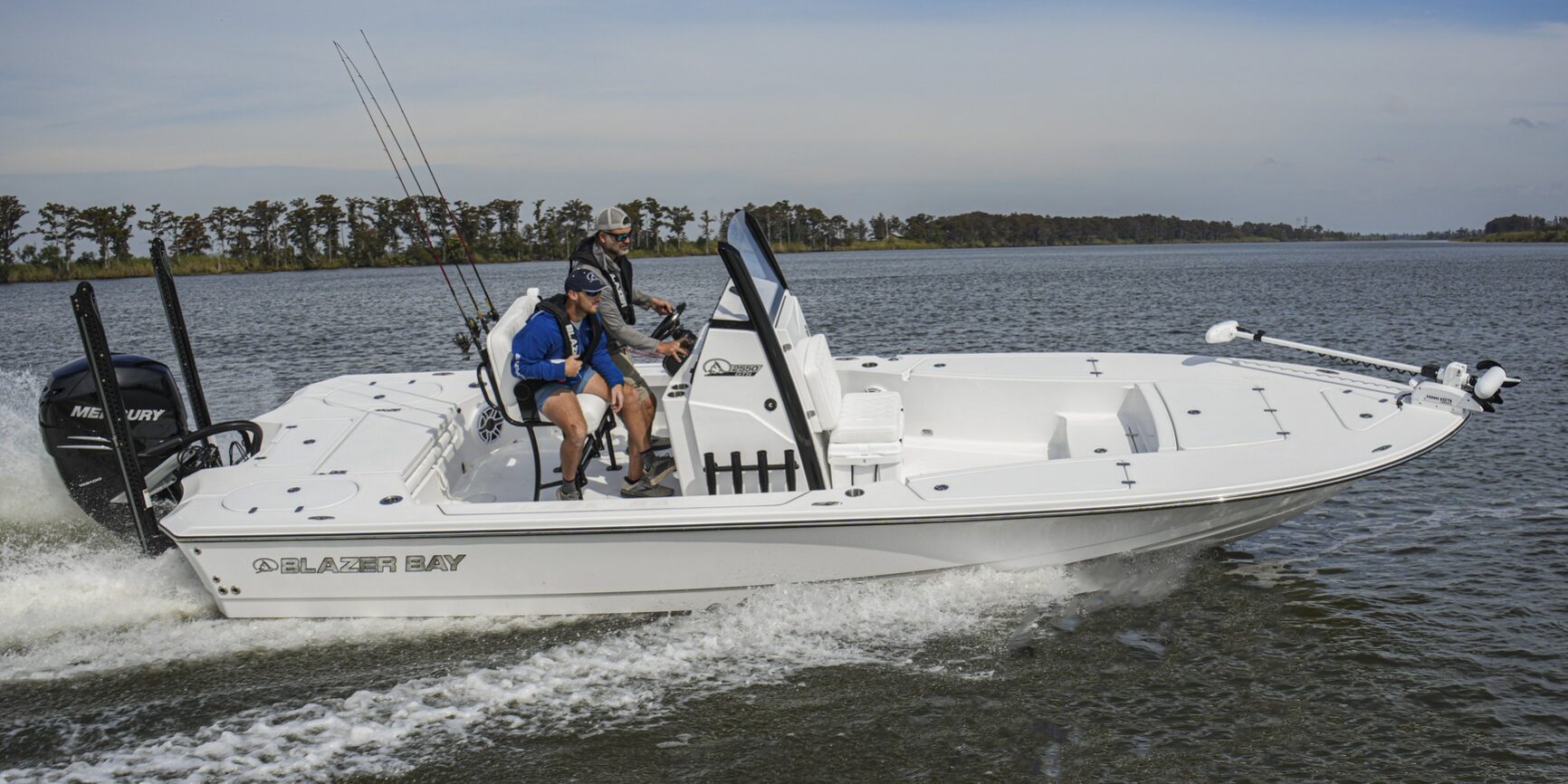
Walk through any marina in the Lowcountry and you can usually tell which boats spend their weekends in saltwater and which ones don’t. It isn’t the make or the price tag that gives it away — it’s the finish. Dull, chalky gelcoat and rust streaks around the hardware are the fingerprints saltwater leaves behind when a boat isn’t detailed often enough.
A lot of owners think of detailing as a cosmetic extra, something you do before a boat show or a sale. In saltwater, it’s closer to routine maintenance. The same corrosion and oxidation that eventually shows up as unsightly is also working on your fittings, seals, and gelcoat long before you can see it.
What Saltwater Actually Does to Your Boat
Fresh water evaporates and mostly leaves your boat alone. Saltwater doesn’t. As it dries, it leaves behind microscopic salt crystals in every seam, hinge, and cushion fold. Those crystals hold moisture, and that moisture is what drives corrosion in aluminum trim, stainless hardware, and electrical connections. Add Lowcountry sun to the mix and you get a second problem: UV rays breaking down the gelcoat’s surface while salt residue speeds up the oxidation underneath it. That combination is why a boat kept in saltwater without regular care can look years older than one of the same age kept on a freshwater lake.
Detailing Is More Than a Rinse and a Wax
A quick hose-down after a trip is a good habit, but it isn’t detailing. A proper detail works through the whole boat: washing and de-oxidizing the gelcoat, polishing metal hardware and rails before rust has a chance to set in, cleaning and conditioning vinyl and isinglass so they don’t crack or yellow, and checking the bilge and other tucked-away compartments where salt and moisture like to collect unnoticed. Done well, it’s as much inspection as it is cleaning — a good detail often catches a loose fitting, a failing seal, or early rust before it turns into a repair.
The Parts You Don’t See: Bottom Paint and Pressure Washing
Everything below the waterline works just as hard as everything above it. Marine growth on a neglected hull adds drag, which costs you fuel and speed, and bottom paint that’s been ignored wears unevenly and stops doing its job. Pressure washing after a haul-out keeps growth from building up between applications, and it’s a good time to look the hull over for blisters, cracks, or soft spots you’d never notice from the dock. This is one area where it really does pay to have someone who knows what they’re looking at take a pass over the boat.
How Often Lowcountry Boaters Should Detail
There’s no single answer, since it depends on how much you run your boat and where you keep it. As a general rhythm, rinse the hull, deck, and hardware after every outing, especially after a day offshore or in the marsh. Plan on a full detail — wash, oxidation removal, wax or sealant — every four to six weeks during the season, and a little less often if your boat lives in a covered slip or on a lift. Wax or sealant tends to hold up best when it’s reapplied two to three times a year here, given how much sun and salt exposure boats get between Charleston and Myrtle Beach. Bottom paint typically needs attention every one to two years, depending on the type of paint and how much time the boat spends in the water versus on a trailer or lift.
What You Can Handle Yourself, and What’s Worth Calling In
Rinsing after every trip, a quick wipe-down of the seats and console, and keeping an eye on your bilge are all things any owner can stay on top of. Where it makes sense to bring in help is with oxidized or chalky gelcoat, fiberglass or gelcoat repair, bottom paint application, and anything involving the electrical system or fittings you aren’t fully comfortable inspecting yourself. Our boat service team handles all of this routinely, from detailing and bottom painting to the fiberglass and gelcoat repair that keeps a hull looking, and performing, the way it should. If it’s been a while since your boat has had real attention below the rub rail, that’s usually the first sign it’s time to have it looked at.
Signs Your Boat Is Overdue for a Detail
A few things tend to show up before an owner even realizes their boat needs attention: gelcoat that’s gone dull or chalky no matter how much you rinse it, rust streaks bleeding from screws or hardware, isinglass or windows that have hazed over, vinyl that’s stiffened or started to mildew, and a waterline that seems to collect scum faster than it used to. None of these are emergencies on their own, but they’re all signs that the protective layer between your boat and the saltwater has worn thin.
Detailing isn’t really about keeping your boat looking sharp at the ramp, although that’s a nice side effect. It’s one of the simplest ways to protect what you’ve invested in a boat that spends its life in saltwater. If it’s been a while, or you’re just not sure where your boat stands, give us a call at 843-887-3330 or stop by our service department in McClellanville, and we’ll take a look and let you know exactly what it needs.
Frequently Asked Questions
How often should I detail my boat if I keep it in saltwater?
Rinse it after every trip, and plan on a full detail — wash, oxidation removal, and wax or sealant — every four to six weeks during the boating season. Boats kept in a covered slip or on a lift can often stretch that interval a bit longer.
What’s the real difference between washing my boat and having it detailed?
A wash removes surface dirt and salt. A detail goes further, removing oxidation from the gelcoat, polishing metal hardware, conditioning vinyl and isinglass, and checking compartments where salt and moisture tend to collect. It’s as much a health check as it is a cleaning.
Can detailing fix gelcoat that’s already chalky or oxidized?
Light to moderate oxidation can usually be restored with proper compounding and polishing. Severe or long-neglected oxidation may need a more aggressive gelcoat restoration, which is worth having a technician assess in person.
Does bottom paint really need to be redone every year?
It depends on the type of paint, how much the boat is used, and whether it stays in the water or comes out regularly. Many Lowcountry boaters repaint every one to two years, but a technician can tell you exactly where your bottom paint stands.
Does regular detailing actually extend the life of a boat?
Yes. Removing salt and oxidation before they reach the gelcoat and hardware slows corrosion, protects seals and fittings, and helps you catch small issues, like a loose fitting or early rust, before they turn into bigger repairs.