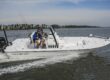

If you’re new to inshore fishing in the Lowcountry, welcome — you picked a great place to start. The water around McClellanville is forgiving enough for beginners and rich enough to keep you hooked for life. You don’t need a fancy setup or years of experience to catch fish here. You just need a few basics and a willingness to pay attention to the tide. Here’s the friendly version of how to get going.
Learn the tides first
If there’s one thing that separates folks who catch fish from folks who just go boating, it’s understanding the tide. Inshore fish move and feed with the water. A falling tide pulls bait out of the grass and stacks fish at creek mouths and along drop-offs; a rising tide pushes them up onto the flats. You don’t have to master it overnight — just start checking a tide chart before every trip and noticing what happens when.
Target the easy species
Redfish (red drum) and spotted seatrout are the bread and butter around here, and both are beginner-friendly. Reds are strong, willing, and forgiving of a sloppy cast. Trout school up, so when you find one you often find a bunch. Flounder and black drum round out the usual inshore catch. Start with reds and trout and you’ll build confidence fast.
Keep your gear simple
Don’t overthink the tackle. A medium spinning rod, 10-to-20-pound braid, and a small selection of soft plastics and jigheads will catch fish all day. Add a few popping corks and some live shrimp when you can get it, and you’re set. You can always add gear as you learn what you like — starting simple keeps you fishing instead of fiddling.
Fish the structure
Inshore fish relate to structure: oyster bars, grass lines, creek mouths, dock pilings, and points. Blind-casting open water is a slow way to learn. Instead, work the edges where moving water meets structure — that’s where the fish are waiting to ambush bait. Around here, oyster bars on a moving tide are about as reliable as it gets.
Respect the water
The Lowcountry is beautiful but it demands respect. Tides swing several feet, sandbars shift, and it’s easy to get turned around in the marsh. Tell someone your plan, watch the weather, carry the right safety gear, and don’t run skinny water you don’t know on a falling tide unless you want to get very familiar with your push pole. And make sure your boat is up to the trip — a breakdown back in the creeks is no fun.
We’re here to help you get started
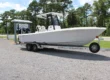
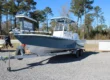
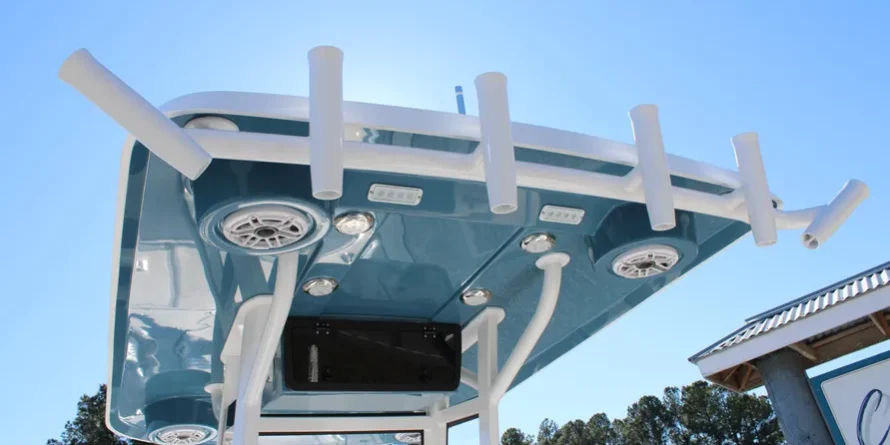
Part of getting into this is having a reliable boat under you. Whether you need your current rig serviced and ready or you’re shopping for your first bay boat built for exactly this kind of fishing, we’re glad to help. Stop by the shop in McClellanville or give us a call — we love getting new anglers on the water.
Frequently Asked Questions
What fish can I catch inshore around McClellanville?
Redfish (red drum) and spotted seatrout are the most common and the most beginner-friendly, with flounder and black drum also in the mix. Reds and trout are a great place for a new angler to start building confidence.
Why is the tide so important for inshore fishing?
Inshore fish feed and move with the water. A falling tide pulls bait out of the grass and concentrates fish at creek mouths and drop-offs, while a rising tide pushes them onto the flats. Checking a tide chart before every trip makes a huge difference.
What gear do I need to start inshore fishing?
Keep it simple: a medium spinning rod, 10–20 lb braid, and a few soft plastics with jigheads will catch fish all day. Add popping corks and live shrimp when you can. You can build out your tackle as you learn what you like.
Where should I cast when inshore fishing?
Target structure where moving water meets cover — oyster bars, grass lines, creek mouths, points, and dock pilings. Fish ambush bait along those edges, especially on a moving tide, so you’ll do far better than blind-casting open water.
I’m new to boating here — can you help?
Absolutely. We can get your boat serviced and ready or help you find a first bay boat built for Lowcountry inshore fishing. Stop by our McClellanville shop or contact us — we enjoy helping new anglers get started.